In the ever-evolving realm of Information Technology, businesses face the critical decision of choosing the most effective and cost-efficient approach to manage their technology infrastructure. Two prevalent models in this landscape are Managed IT Services and the Break-Fix model. Let’s delve into the key differences between these two approaches and explore the advantages each brings to the table.
Managed IT Services: A Proactive Partnership
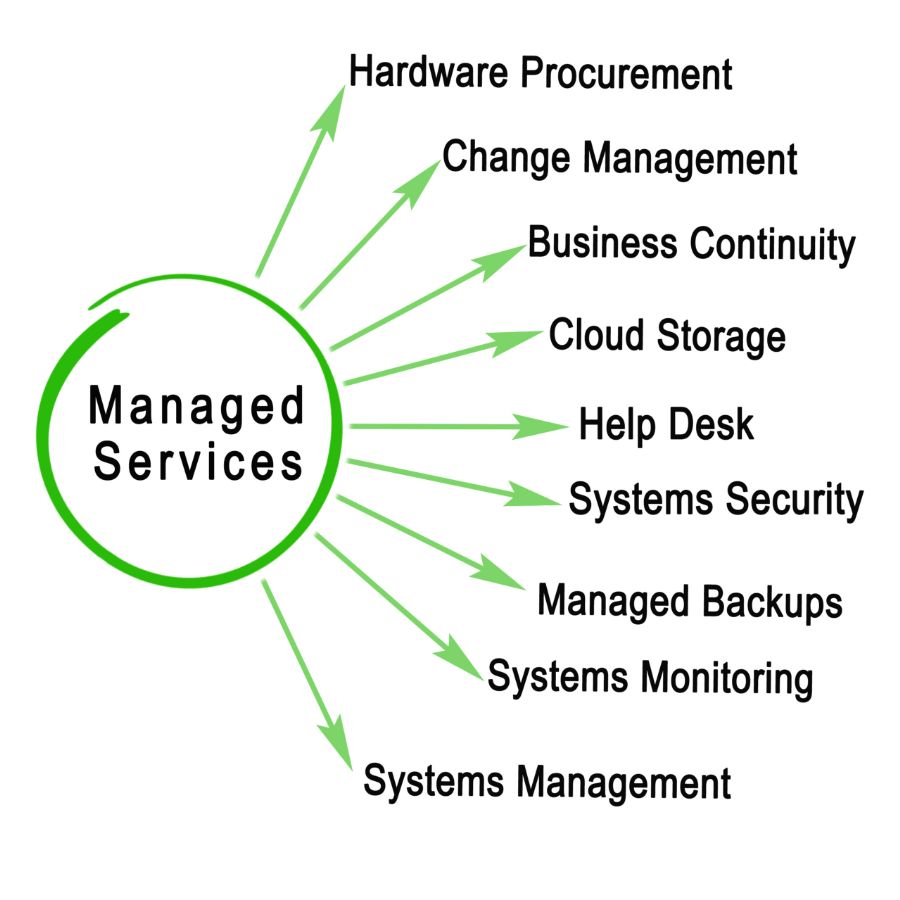
Managed IT Services (MSP) is a comprehensive and proactive approach to IT management, where an external provider takes on the responsibility of monitoring, managing, and maintaining a company’s IT infrastructure. This model operates on a subscription-based system, offering a range of services from 24/7 monitoring to cybersecurity, data backup, and IT support.
- Proactive Maintenance: One of the standout features of MSP is its proactive approach. MSPs leverage advanced monitoring tools to identify potential issues before they disrupt operations, allowing for preventative measures to be taken. This approach minimizes downtime and promotes a more stable and reliable IT environment.
- Predictable Costs: MSPs typically operate on a fixed monthly fee, providing businesses with predictability in their IT budget. This eliminates the unpredictability of unplanned IT expenses that can arise in a Break-Fix model, contributing to better financial planning and cost control.
- Scalability: Managed IT Services are designed to scale with the evolving needs of a business. Whether a company is expanding, downsizing, or undergoing changes, MSPs can adapt their services to ensure that IT infrastructure aligns seamlessly with organizational growth.
- Enhanced Security: In the era of escalating cyber threats, MSPs play a crucial role in implementing robust cybersecurity measures. From firewalls and antivirus solutions to threat detection and response, MSPs prioritize the security of sensitive data, mitigating the risks associated with cyberattacks.
Break-Fix Model: Reactive Solutions for IT Challenges
In contrast, the Break-Fix model is a reactive approach to IT management. In this scenario, businesses seek IT support only when issues arise, and they pay for services on a case-by-case basis. While this model might seem cost-effective in the short term, it comes with its own set of challenges.
- Unpredictable Costs: One of the main drawbacks of the Break-Fix model is the unpredictability of costs. Businesses pay for IT support and services on an ad-hoc basis, leading to unexpected expenses when critical issues arise. This lack of cost predictability can strain budgets and hinder financial planning.
- Downtime and Productivity Loss: With a reactive approach, businesses only address IT issues after they’ve occurred. This inevitably leads to downtime, affecting productivity and potentially causing disruptions to critical business operations. The reactive nature of Break-Fix can result in longer resolution times for IT problems.
- Limited Scalability: The Break-Fix model is not inherently scalable. As businesses grow, their IT needs become more complex, and relying solely on a reactive approach may not provide the necessary support for expansion. This lack of scalability can hinder overall business growth.
- Security Challenges: The reactive nature of Break-Fix extends to cybersecurity. Waiting until a security breach occurs to address vulnerabilities can lead to severe consequences, including data breaches and financial losses.
Choosing the Right Model: A Strategic Decision
In conclusion, the choice between Managed IT Services and the Break-Fix model hinges on the strategic goals and priorities of a business. While the Break-Fix model may seem cost-effective in the short term, Managed IT Services offer a proactive, scalable, and comprehensive solution that aligns with the dynamic nature of modern business environments. By investing in Managed IT Services, businesses can foster a more secure, reliable, and efficient IT infrastructure, setting the stage for long-term success in the digital landscape.