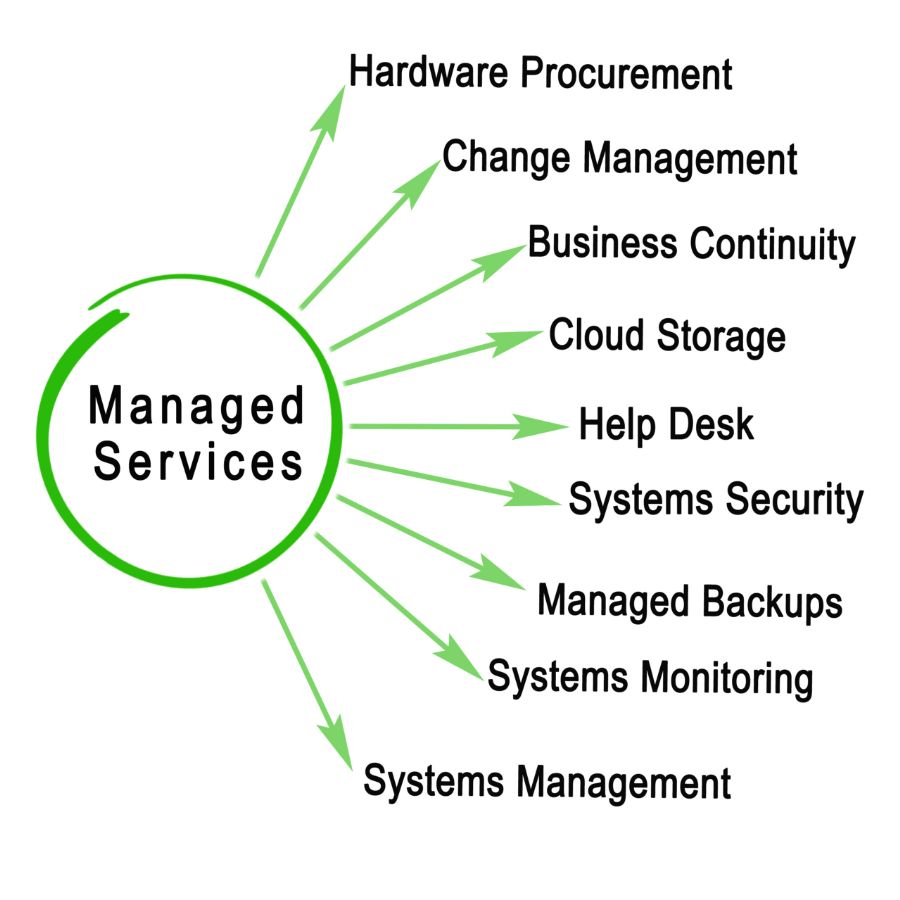
In today’s fast-paced and technology-driven business model, organizations are constantly seeking ways to improve efficiency, reduce operational costs, and stay ahead of the competition. One key solution that has gained popularity in recent years is the use of Managed Services Providers (MSPs). But what exactly is a Managed Services Provider, and how can it be beneficial to businesses? Let us explore the world of MSPs and learn about their pivotal role in modern business operations.
At its core, a Managed Services Provider is a third-party organization that assumes the responsibility for managing, monitoring, and securing business functions and IT services. These services can range from IT infrastructure support to more specialized tasks such as cybersecurity, data backup and recovery, cloud computing, and network management. The primary goal of an MSP is to alleviate the burden of day-to-day operations from the client, allowing them to focus on core business activities and strategic initiatives.
Key Components of Managed Services:
- Proactive Monitoring and Maintenance: MSPs employ advanced monitoring tools to keep a watchful eye on an organization’s IT infrastructure. This proactive approach helps identify potential issues before they escalate into major problems, minimizing downtime and ensuring seamless business operations.
- Cybersecurity Services: With the increasing frequency and sophistication of cyber threats, cybersecurity is now a top concern for businesses. MSPs play a crucial role in implementing robust security measures, including firewalls, antivirus software, and threat detection systems, to safeguard sensitive data and protect against cyberattacks.
- Data Backup and Recovery: Losing critical business data can be catastrophic. MSPs implement reliable data backup and recovery solutions to ensure that in the event of data loss or system failure, organizations can quickly recover their information and resume normal operations.
- Cloud Computing Services: Many businesses are transitioning to cloud-based infrastructures to enhance scalability and flexibility. MSPs facilitate this migration, providing expertise in selecting the right cloud solutions and managing the ongoing operation of cloud-based services.
- 24/7 Support: Unforeseen issues can arise at any time. MSPs offer round-the-clock support, ensuring that businesses have access to technical assistance whenever they need it. This 24/7 support model is particularly valuable in today’s global business environment, where operations may span different time zones.
Benefits of Partnering with an MSP:
- Cost Savings: Engaging an MSP can lead to significant cost savings for businesses. Instead of investing in expensive IT infrastructure and hiring an in-house IT team, organizations can access a wide range of services at a predictable monthly cost, often tailored to their specific needs.
- Focus on Core Competencies: By outsourcing routine IT tasks to an MSP, businesses can concentrate on their core competencies and strategic goals. This enhanced focus on primary business functions can result in increased productivity and innovation.
- Scalability: MSPs provide scalable solutions that can adapt to the evolving needs of a business. Whether a company is expanding, downsizing, or undergoing changes, an MSP can adjust its services appropriately, ensuring that IT infrastructure aligns with the organization’s growth trajectory.
- Enhanced Security and Compliance: With the rising threat of cyberattacks and the increasing importance of regulatory compliance, MSPs bring a wealth of expertise to the table. They can implement robust security measures and ensure that businesses adhere to industry-specific regulations and standards.
In conclusion, a Managed Services Provider is a strategic partner that empowers businesses to navigate the complexities of the modern digital landscape. By outsourcing IT functions to an MSP, organizations can benefit from cost-effective, scalable, and expertly managed-solutions, allowing them to focus on what they do best—innovating, growing, and achieving their business objectives. As technology continues to evolve, the role of MSPs will become increasingly pivotal in shaping the success of businesses across various industries.